Hassle-Free Long Distance Moving Services: Your Reference to an Easy Transition
Long-distance relocation can prove challenging, yet it does not have to be overwhelming. With the correct strategies and support, people can handle the intricacies of transferring. Crucial points include selecting a respected moving company, effective packing techniques, and creating a clear timeline. Grasping these elements can considerably ease the transition. However, many neglect important aspects that can result in excessive stress and complications. What are the frequent pitfalls to avoid?
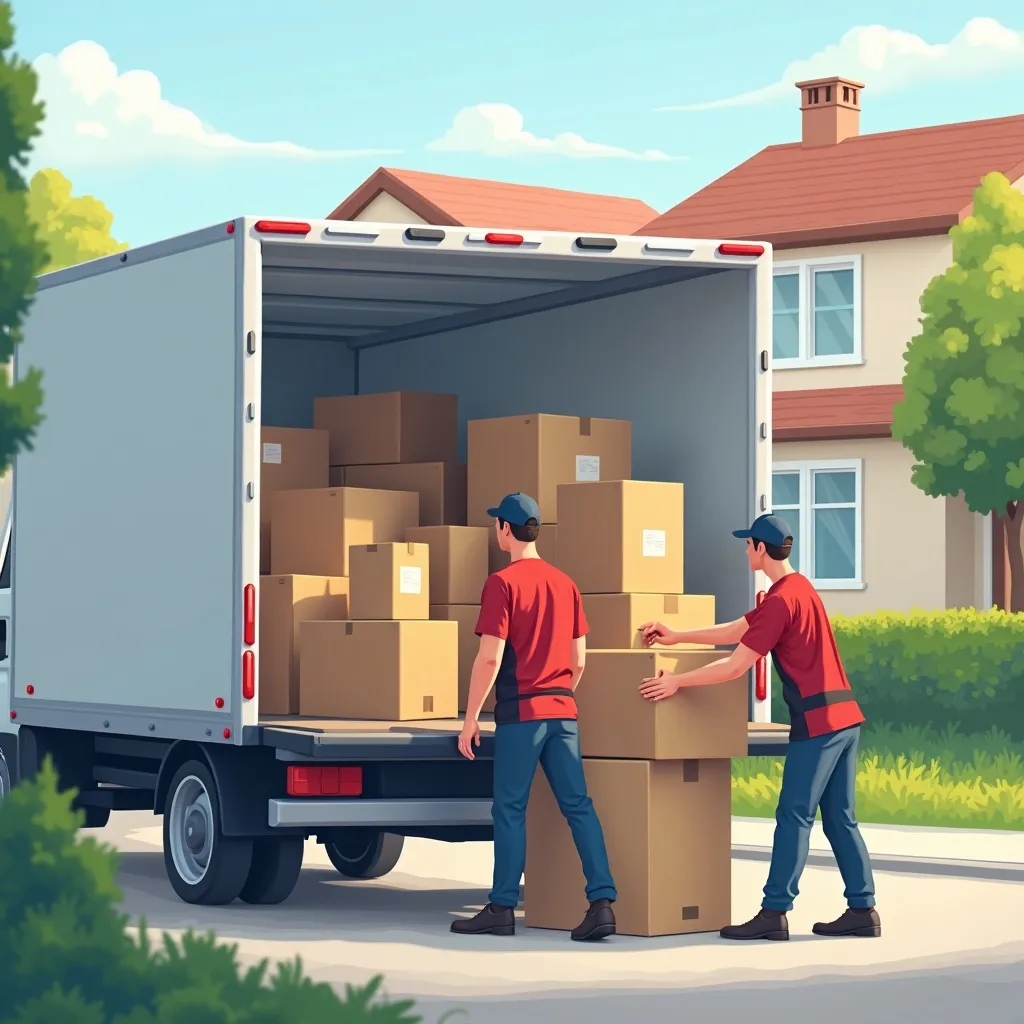
How to Assess Cross-Country Moving Companies
When choosing a distant relocation service, how does one ensure they make the right choice? Evaluating potential movers requires a systematic approach. First, researching credentials is essential; companies should be licensed and insured. Online reviews and ratings provide insights into past customer experiences, emphasizing reliability and service quality.
Next, getting multiple quotes makes it possible for comparing pricing structures and services offered. Transparent fees are vital; hidden charges can create unpleasant surprises.
Yet another important point is the company's experience with extended-distance relocations, as it often suggests their competence in tackling logistics and complications specific with such relocations.
In conclusion, examining customer service responsiveness can provide a glimpse into continuous assistance during the moving process. By following these steps, individuals can select with assurance a long-distance moving company that aligns with their requirements, guaranteeing a easier transition.
Why You Ought to Hire Professional Movers
Hiring professional movers for extended-distance relocations produces significant advantages. Their experience can streamline the process, curtailing both hours involved and stress for households and individuals. Additionally, professional moving services usually incorporate coverage protection and liability assurance, maintaining peace of mind during the move.
Knowledge In Long-Distance Moves
Selecting expert movers for long-distance relocations can significantly reduce the stress that comes with such changes. Their skillset in managing logistics ensures every part of the move is handled smoothly. Experienced movers recognize the details of long-distance moves, from securely packing delicate items to navigating unfamiliar routes. They have the necessary tools and understanding to load and transport belongings safely, lowering the chance of damage. Moreover, professional movers are knowledgeable about regulatory requirements, guaranteeing compliance with state laws and permits. This expertise not only improves security but also builds client confidence, letting them concentrate on settling into their new home instead of the move’s complexities. Opting for professionals ultimately results in explore article a more seamless experience.
Time And Stress Lessening
While moving to a new location can be an exciting adventure, the time and stress involved can rapidly become overwhelming. Selecting expert moving companies significantly reduces these concerns. Their expertise allows for streamlined packing, loading, and transportation, decreasing the time spent on logistics. This efficiency not only speeds up the relocation but also minimizes the physical strain on individuals. Experienced moving professionals handle the heavy lifting and complex tasks, allowing clients to focus on adjusting to their new home. Additionally, the sense of security that comes with knowing experienced movers are managing the shift can significantly decrease stress levels. Ultimately, employing expert services transforms a difficult undertaking into a smooth operation, making it easier to embrace the excitement of a new beginning.
Insurance And Liability Protection
Engaging professional movers not only guarantees a smooth relocation but also supplies critical coverage and damage protection. This protection is crucial when moving valuable possessions over long distances, as it reduces the danger of damage or loss during transit. Professional moving companies typically offer various protection plans, including basic liability and full-value protection, ensuring clients have peace of mind. In comparison, DIY moves often leave people vulnerable to unforeseen circumstances, without recourse for harmed possessions. By selecting professional moving companies, customers gain their knowledge and the guarantee that their possessions are protected. Ultimately, the investment in expert relocation assistance can reduce substantial expenses and mental strain related to potential losses, rendering it a smart decision for extended moves.
Must-Have Packing Tips for Your Long-Distance Move
Thoughtful packing is critical for a long-distance move, as it guarantees that your belongings reach their goal in good condition and without damage. To get started, people should obtain dependable packing materials, comprising durable boxes, bubble protection, and reinforced tape. Sorting by room can enhance the pace and avoid the danger of losing your possessions. It is proposed to identify each unit legibly, specifying both the items contained and the room where it goes, which helps the move-in process.
Fragile items require careful attention; covering them individually in bubble wrap or packing paper can assist in preventing breakage. Additionally, filling empty gaps inside boxes with packing peanuts or crumpled paper adds extra cushioning. For heavier objects, using smaller boxes avoids strain and promotes safe handling. Finally, packing an essentials box with necessary items for the first few days can make settling in much easier. By following these packing tips, people can increase the efficiency and safety of their long-distance move.
Grasping Expectations for the Relocation Process
Proper packing sets the foundation for what to anticipate during the relocation. A carefully organized packing strategy can greatly improve the shift, lessening stress and ambiguity. Individuals should foresee a detailed timeline that delineates essential phases, from organizing to handling and transportation.
Consistent interaction with the moving company is necessary; clients should expect regular updates regarding the status of their belongings and any potential postponements. It is also important to be ready for the logistics involved, such as the necessity for particular permits or entry requirements at both locations.
Clients may face unforeseen challenges, ranging from bad weather conditions to road conditions affecting travel time. Recognizing that flexibility is essential can help mitigate anxiety. Ultimately, establishing practical goals and maintaining open lines of communication with the relocation crew will lead to a more seamless and streamlined moving experience.
Getting Comfortable: Transforming Your New Home Into a Cozy Space
As the relocation truck drives off, individuals often reflect on how to convert their new space into a inviting sanctuary. The first step in this process involves unpacking essentials to establish a efficient living environment. Prioritizing items like kitchenware, bedding, and personal effects can substantially increase comfort and familiarity.
Next, incorporating personal touches is vital. Artwork, family photos, and treasured mementos can evoke memories and establish a sense of belonging. Arranging furniture to promote flow and maximize space also enhances the overall ambiance.
Furthermore, tailoring the aroma of the home through candles or diffusers can create a welcoming atmosphere. Connecting with the local community—visiting parks, cafes, or social events—builds connections that help individuals become grounded in their new surroundings.
In the end, these measures foster a smooth shift, changing a mere house into a true home filled with warmth and personality.
Monetary Planning for a Long-Distance Move
Organizing monetarily for a far-away move requires careful strategy and insight. To begin, individuals should compile a thorough inventory of their possessions to determine the size and heaviness of items being relocated. This can aid in receiving accurate quotes from moving firms. It is prudent to set a sensible financial plan that covers not only transport costs but also supplementary expenses such as wrapping materials, temporary lodging, and commute costs to the new location.
Next, individuals should think about the schedule of the relocation. Rates may differ significantly depending on the time of year or day of the week. Booking well in advance can often lead to better pricing. Furthermore, it is beneficial to research and compare several relocation services to find the greatest savings. In conclusion, setting aside a contingency fund for unexpected expenses will offer a financial buffer, ensuring a smoother adjustment during this major life change.
Top 5 Errors to Avoid During Your Move
Handling the complexities of a long-distance move can be intimidating, and eluding common errors is essential for a easy change. A significant mistake is undervaluing the time required to prepare and pack. Going quickly through this step often leads to forgotten items or poorly packed boxes. Another typical mistake is ignoring research on moving companies thoroughly, which may result in hidden fees or poor quality service.
Moreover, not developing an inventory can lead to harmed or misplaced items. Declining insurance for treasured possessions is yet another important oversight, exposing movers susceptible to potential loss. Finally, unclear communication with the moving team can produce misunderstandings about arrangements and objectives. By steering clear of these five mistakes, persons can promote a more productive and less burdensome long-range relocation.
Frequently Requested Questions
How distant in ahead should I book My moving service?
Professionals suggest booking a moving service at least four to six weeks prior to your move. This period offers better options, potential cost savings, and adequate planning, ultimately ensuring a more streamlined moving process for the individual.
Which Products Are Not Allowed During Extended-Distance Relocation Operations?
Prohibited goods during lengthy relocations generally include hazardous materials, spoilable groceries, vegetation, and precious possessions like money or accessories. Movers generally offer a comprehensive inventory to ensure compliance with regulations and safety standards.
Do movers furnish boxes and materials, or ought I buy my own?
Movers commonly provide packing materials as part of their offerings, but it's prudent to confirm in advance. Some people prefer to buy their own supplies for greater control over quality and quantity throughout the move.
Can I Trace My Chattels During the Shifting?
Most relocation firms offer tracking services for belongings during a move. Customers can usually track their shipment's status via an web-based platform or by reaching out to the company, ensuring peace of mind throughout the transition.
What Happens if My Items Get Damaged During Transit?
If belongings are harmed during transport, the moving company typically investigates the claim. Based on the insurance coverage, compensation may be offered. Adequate records and timely notification enhance the chances of a positive outcome.